Why Does Bad Breath Keep Coming Back Even After Brushing?

You brushed this morning, used mouthwash and chewed gum, yet by lunchtime your breath isn't fresh. It's frustrating, and incredibly common. The reason is usually simple: brushing cleans your teeth, but most odor comes from bacteria in places a toothbrush doesn't reach well. Here are the seven most common reasons bad breath keeps coming back, with a quick self-check, a simple daily routine and clear signs that it's time to see your dentist.
- Most bad breath comes from bacteria on the back of the tongue and along the gumline.
- Dry mouth is a major trigger; saliva is your mouth's natural rinse.
- Strong antiseptic mouthwash masks odor for a few hours but doesn't fix the cause.
- Persistent bad breath despite good hygiene deserves a dental visit.
A Product to Consider
Check everything that applies to you:
1. You're Not Cleaning Your Tongue
The back of the tongue is rough and traps bacteria, dead cells and food debris. It's the number one source of mouth odor. Use a tongue scraper or your toothbrush every day, gently, from back to front.
A quick look in the mirror tells you a lot: a white or yellowish coating toward the back of the tongue is a sign that odor-causing bacteria are building up. Many people are surprised how much fresher their mouth feels after just a few days of daily tongue cleaning.
How to Clean Your Tongue the Right Way
- Stick out your tongue and place the scraper as far back as you comfortably can.
- Press lightly and pull forward toward the tip. It should never hurt.
- Rinse the scraper and repeat 3–5 times, covering the left, center and right sides.
- Rinse your mouth with water when you're done.
If you have a strong gag reflex, breathe slowly through your nose, start a little further forward and work back over a few weeks. Plastic or stainless steel scrapers both work; a toothbrush is fine if that's what you'll actually use.
2. Dry Mouth
Saliva washes away bacteria and food. When it's low (from medications, mouth breathing, dehydration or age), odor-producing bacteria thrive. That's also why morning breath happens. Drink water, chew sugar-free gum and talk to your doctor if dry mouth is constant.
Dry mouth becomes much more common after 50, mostly because of medications. The National Institute of Dental and Craniofacial Research notes that hundreds of common medicines, including some for blood pressure, allergies, depression and bladder control, can reduce saliva. Helpful steps include:
- Sipping water through the day, especially with meals.
- Using a humidifier in the bedroom at night.
- Choosing sugar-free gum or lozenges (xylitol versions are popular) to stimulate saliva.
- Limiting alcohol, caffeine and tobacco, which all dry the mouth.
- Asking your doctor or pharmacist whether any of your medicines could be a factor. Never stop a prescription on your own.
3. Your Mouthwash Is Working Against You
Strong alcohol-based mouthwashes kill bacteria indiscriminately and can dry the mouth. Odor often returns within hours as the bad bacteria grow back. A gentler approach, supporting the good bacteria, can work better long term. Learn how in our oral probiotics guide.
If you like using mouthwash, there's no need to give it up. A few tweaks make it more useful:
- Choose an alcohol-free formula, especially if your mouth tends to be dry.
- Use it at a different time than brushing, for example after lunch, so it doesn't rinse away fluoride.
- Don't use it as a cover-up. If you need mouthwash several times a day to feel confident, something underneath needs attention, usually the tongue, the gums or dry mouth.
- Ask your dentist before using prescription-strength rinses long term, since some can stain teeth.
4. Gum Problems
Plaque along and under the gumline produces sulfur compounds. Bleeding, swollen or receding gums are a sign of gum disease, a common cause of persistent bad breath that needs a dentist.
Gum disease is very common in adults over 40, and early stages are often painless, so many people don't know they have it. According to the NIDCR, warning signs include bad breath that won't go away, red or swollen gums, tender or bleeding gums, sensitive teeth and gums pulling away from the teeth. The good news: early gum problems often respond well to professional cleaning and better home care.
5. Skipping Floss
Food trapped between teeth breaks down and smells. Flossing or using interdental brushes once a day removes it.
A simple test: floss between your back teeth and smell the floss. If it has an odor, that area is contributing to your breath. Water flossers are a good option if regular floss is hard to handle, especially with arthritis in the hands, bridges or implants. Dentures and night guards should also be cleaned daily, since they collect bacteria too.
6. Food, Coffee and Alcohol
Garlic and onions release odor compounds through your lungs for hours. Coffee and alcohol dry the mouth. Rinse with water after drinking them.
Low-carb and fasting diets can cause their own distinctive breath, sometimes described as fruity or metallic, as the body burns fat for fuel. Long gaps between meals also reduce saliva flow. Eating crunchy fruits and vegetables like apples, carrots and celery helps stimulate saliva and gently clean the teeth.
7. Other Causes
Sinus infections, tonsil stones, acid reflux, diabetes and some medications can cause bad breath. The American Dental Association recommends seeing your dentist if bad breath persists; they can help find the cause.
Tonsil stones are small, whitish lumps that form in the crevices of the tonsils and can smell very strong. Postnasal drip from allergies or sinus problems feeds bacteria at the back of the tongue. In a small number of people, breath odor can be linked to a medical condition elsewhere in the body, which is why persistent bad breath with no obvious dental cause deserves a doctor's visit too. MedlinePlus has a helpful overview of the possible causes.
Morning Breath vs. All-Day Bad Breath
Morning breath is normal. Saliva flow drops sharply while you sleep, so bacteria multiply overnight. It usually clears up after brushing, tongue cleaning and breakfast. Mouth breathing and snoring make it worse. To keep it milder, brush, floss and clean your tongue right before bed, skip late-night snacks and keep a glass of water on your nightstand. Loud snoring with daytime tiredness is worth mentioning to your doctor, since it can be a sign of sleep apnea.
All-day bad breath that returns within a few hours of brushing is different. It usually points to a buildup on the tongue, gum problems, food trapped between teeth or ongoing dry mouth. That's the kind worth tackling with a better routine and, if it doesn't improve, a dental visit.
How to Check Your Own Breath
It's hard to smell your own breath, because your nose gets used to it. Breathing into your cupped hands isn't very reliable. Try these instead:
- The wrist test: lick the inside of your wrist, wait 10 seconds and smell it. This mostly reflects the front of the tongue.
- The scraper test: gently scrape the back of your tongue and smell the scraper. This is closer to what others notice.
- The floss test: smell the floss after cleaning between your back teeth.
- Ask someone you trust. It may feel awkward, but it's the most honest answer.
A Simple Fresh-Breath Routine
- Brush twice a day for two minutes.
- Clean your tongue every morning.
- Floss once a day.
- Drink water through the day.
- Consider a daily oral probiotic after brushing, to support a healthy balance of mouth bacteria.
Give the routine two to three weeks before deciding whether it's working. Most people notice the biggest change from tongue cleaning and daily flossing alone.
Common Mistakes That Keep Bad Breath Coming Back
- Relying on mints and gum with sugar. Sugar feeds the very bacteria that cause odor. Choose sugar-free.
- Brushing too fast. Most people brush for well under two minutes. Use a timer or an electric toothbrush with one built in.
- Using an old toothbrush. Replace it every three to four months, or sooner if the bristles are frayed.
- Rinsing with mouthwash right after brushing. It washes away fluoride from your toothpaste. Use mouthwash at a different time.
- Skipping dental cleanings. Hardened tartar can't be removed at home and gives bacteria a place to hide.
Where Oral Probiotics Fit In
Brushing, flossing and mouthwash all reduce bacteria for a while, but they don't change which bacteria grow back. Oral probiotics take a different approach: they add friendly strains, such as L. reuteri, L. paracasei and S. salivarius K12, that are studied for supporting a healthier balance in the mouth.
The research is promising but still early, with mostly small, short studies. Oral probiotics aren't a treatment for gum disease and work best on top of good hygiene. Our oral probiotic strains guide explains what to look for on a label, and our oral probiotics guide covers a product to consider.
Where ProDentim Fits In
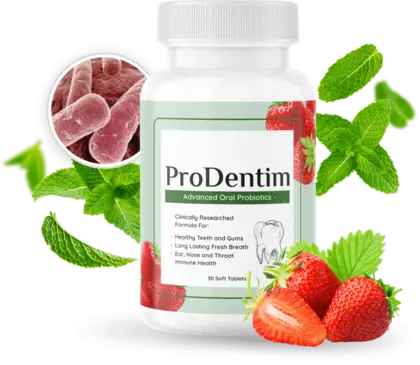
ProDentim is an oral probiotic to consider if you've fixed the basics and still want extra support. Each strawberry-mint chewable provides 3.5 billion CFU from L. paracasei, B. lactis BL-04® and L. reuteri, strains studied for supporting a healthier balance of mouth bacteria.
The easiest way to use ProDentim is to let one tablet dissolve slowly after you brush at night, so the friendly bacteria aren't rinsed away right away. Give ProDentim at least a few weeks alongside tongue cleaning and flossing before you judge it, and remember it supports oral hygiene rather than replacing it. You can read our full ProDentim review for ingredients, pricing and the 60-day guarantee.