Tongkat Ali for Men: Energy, Stress, Testosterone and What Studies Show

Tongkat Ali (Eurycoma longifolia), also called Longjack, is a shrub native to Malaysia and Indonesia whose root has long been used in traditional medicine for energy and male vitality. In recent years it's become one of the most popular ingredients in men's supplements. Here's a straightforward look at what the research says, how much is typically used, and what to watch out for.
- Tongkat Ali is a Southeast Asian root traditionally used for energy and male vitality.
- Small studies suggest it may support testosterone in men with low levels, and help with stress and mood.
- Typical studied doses are 200–400 mg a day of a standardized root extract.
- Quality matters: some products have been found to contain contaminants.
A Supplement That Uses Tongkat Ali
What Is Tongkat Ali?
Eurycoma longifolia is a tall shrub that grows in the rainforests of Southeast Asia. Its root is rich in compounds called quassinoids (like eurycomanone) and bioactive peptides, which researchers believe are responsible for its effects. In Malaysia, the root has traditionally been boiled into a tea for energy and vitality.
Today, almost all Tongkat Ali sold in the US comes as a root extract in capsules, powders or gummies. You'll see a few different label styles:
- Standardized extracts list a set percentage of a marker compound, such as eurycomanone or glycosaponins. This is the most useful kind of label because it tells you the extract is consistent from batch to batch.
- Ratio extracts (for example “100:1” or “200:1”) describe how much raw root went into the extract. Ratios sound impressive, but they don't tell you how much active compound is actually in the product.
- Raw root powder is the least concentrated form and isn't what most studies used.
Most clinical research used a water-extracted, standardized root extract, so that's the form to look for if you want to match the evidence.
How Tongkat Ali Might Work
Researchers are still working out exactly how Tongkat Ali works in the body. The leading ideas, mostly based on lab and animal research plus a handful of human studies, are:
- Freeing up more testosterone. Much of the testosterone in your blood is bound to a protein called SHBG (sex hormone-binding globulin). Some research suggests Tongkat Ali compounds may help more testosterone stay in its “free,” active form.
- Taking the edge off stress. Chronic stress raises cortisol, and high cortisol is linked to lower testosterone, poor sleep and low energy. The cortisol findings in stressed adults are one of the more interesting parts of the research.
- Supporting the body's own signals. Some studies suggest Tongkat Ali may act on the signals from the brain that tell the body to make testosterone, rather than supplying hormones directly.
It's important to know that Tongkat Ali is not a hormone and doesn't contain testosterone. If it helps, it's by supporting what your body already does, which is also why effects tend to be modest and gradual.
What the Research Says
Testosterone. A 2022 meta-analysis of small clinical trials found that Tongkat Ali significantly increased total testosterone, with the strongest effects in men who had low levels to begin with. Studies in men with normal levels show smaller or no effects.
Stress and mood. A small study in moderately stressed adults found that 200 mg a day for 4 weeks improved stress hormone profiles (lower cortisol) and mood scores.
Energy and exercise. Some studies in older adults report improvements in muscle strength and fatigue, though results are inconsistent.
Younger men with normal levels. A study in healthy young men found little meaningful change in reproductive hormones, which fits the pattern that Tongkat Ali seems to matter most when levels or stress are already a problem.
Overall: promising, but based on small studies, often funded by ingredient makers. Treat it as support, not a cure.
What the research doesn't show yet: long-term safety beyond a few months, how it compares head-to-head with other men's ingredients, and whether results hold up in large, independent trials. Keep your expectations realistic: in the best studies, changes were measurable on a blood test but not dramatic.
Who Might Consider It, and Who Should Skip It
Men who may be a reasonable fit (after checking with their doctor):
- Men over 40 who feel run-down, stressed or less driven than they used to, and whose doctor has ruled out other causes.
- Men with borderline-low testosterone who want to try lifestyle changes and a supplement before or alongside other options.
- Active men who want extra support for training and recovery, as one piece of a bigger routine.
Men who should skip it or get medical advice first:
- Anyone with prostate cancer, breast cancer or another hormone-sensitive condition.
- Men already on testosterone therapy or other hormone treatments.
- Men with heart disease, high blood pressure, diabetes, kidney or liver disease, or sleep apnea.
- Anyone taking blood thinners, blood pressure, blood sugar or immune-suppressing medications.
- Men under 18. Women who are pregnant or breastfeeding should avoid it.
Typical Doses
- 200–400 mg a day of a standardized water-extracted root extract in most studies.
- Studies typically last 4–12 weeks.
- Some experts suggest cycling (for example, 5 days on, 2 days off), though evidence for this is limited.
- Many people take it in the morning or early afternoon, since a few report feeling more alert or restless if they take it late in the day.
- More isn't better. There's no good evidence that doses above the studied range work better, and higher doses may raise the risk of side effects.
If a product doesn't say how many milligrams of Tongkat Ali are in each serving (for example, it's hidden inside a “proprietary blend”), you can't compare it to the doses used in research.
How to Choose a Tongkat Ali Supplement
Because quality varies widely, a few minutes with the label can save you money and worry. Use this checklist:
- Clear dose per serving. Look for the exact amount of Tongkat Ali, ideally in the 200–400 mg range used in studies.
- Extract type. “Standardized root extract” or a listed percentage of eurycomanone is a good sign. Be cautious with labels that only list a big ratio.
- Third-party testing. Seals from independent testers, or a brand that shares a certificate of analysis, help confirm purity and heavy-metal limits.
- GMP manufacturing. Made in a facility that follows Good Manufacturing Practices.
- Sensible claims. Skip products that promise overnight results or say they replace medical treatment. Real supplements support; they don't cure.
- Full ingredient list. Combination formulas are common. Check every ingredient, including stimulants like caffeine or yohimbe, which aren't a good fit for everyone.
A quick reminder: dietary supplements aren't approved by the FDA before they're sold, so choosing a transparent brand matters.
Safety and Quality
- Studies at typical doses report few side effects; some people experience restlessness, trouble sleeping or irritability.
- Tests of some Tongkat Ali products have found heavy metals, so choose brands made in GMP-certified facilities.
- Men with hormone-sensitive conditions (like prostate cancer), heart disease or who take blood pressure or diabetes medication should talk to their doctor first.
How HorseFil Combines It With Other Botanicals
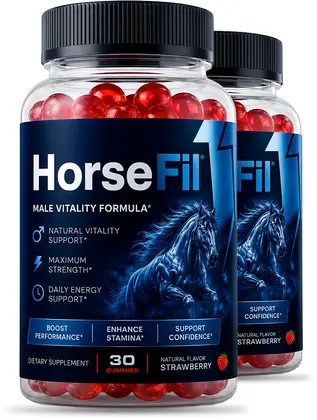
HorseFil is a daily men's vitality gummy built around seven ingredients, according to its label: Tongkat Ali, maca root, ashwagandha, horny goat weed, L-arginine, grape seed extract and beet root. The formula aims to support energy, stamina, circulation and drive in one daily gummy. Read our full HorseFil review for ingredients, pricing and refund terms.
Want to compare options now? See our best men's vitality supplements guide.
Habits That Support Healthy Testosterone
- Sleep 7–8 hours: testosterone is produced mainly during sleep.
- Lift weights and stay active.
- Maintain a healthy weight: excess belly fat is linked to lower testosterone.
- Limit alcohol and manage stress.
- Eat enough protein and healthy fats, and don't crash diet; very low-calorie diets can drag hormone levels down.
- Get some sun or check your vitamin D with your doctor, since low vitamin D is common in men over 50.
- Review your medications with your doctor; some, like opioids and certain other drugs, can affect testosterone.
These steps are the foundation. A supplement can sit on top of good habits, but it can't make up for 5 hours of sleep a night.
A Realistic Timeline
| Time | What's realistic |
|---|---|
| Weeks 1–2 | Usually no noticeable change. Watch for side effects like restlessness or poor sleep. |
| Weeks 4–6 | Some men in studies report better mood and less stress. Energy changes, if any, tend to be gradual. |
| Weeks 8–12 | The window where most studies measured hormone changes. A good time to reassess with your doctor. |
| After 12 weeks | If you've noticed nothing, it's reasonable to stop rather than keep paying for it. |
Keep a simple weekly note of your energy, sleep and mood on a 1–10 scale. It's a lot more reliable than trying to remember how you felt a month ago.
Common Mistakes to Avoid
- Skipping the blood test. Fatigue and low drive can come from thyroid problems, anemia, sleep apnea, depression or medications. Know what you're dealing with first.
- Stacking several men's products. Taking two or three formulas at once can double up on the same herbs and stimulants.
- Expecting fast results. Botanicals work slowly, if at all. Give it the full study window before deciding.
- Buying the cheapest powder online. With a root known for contamination issues, rock-bottom prices can be a red flag.
- Not telling your doctor or pharmacist. Herbs can interact with medications, so keep your care team in the loop.
Frequently Asked Questions
How long does Tongkat Ali take to work?
Can I take Tongkat Ali every day?
Is Tongkat Ali the same as Longjack?
Can women take Tongkat Ali?
Is Tongkat Ali safe for men over 50?
When is the best time to take Tongkat Ali?
Is Tongkat Ali better than maca?
Can Tongkat Ali interact with medications?
- Leisegang K. et al. Eurycoma longifolia and testosterone: a systematic review and meta-analysis. Medicina, 2022
- Talbott SM. et al. Effect of Tongkat Ali on stress hormones and psychological mood state. J Int Soc Sports Nutr, 2013
- Chan KQ. et al. The effect of Eurycoma longifolia on the regulation of reproductive hormones in young males. Andrologia, 2021
- MedlinePlus: Testosterone blood test
- MedlinePlus: Maca