L-Arginine vs. L-Citrulline: Which Is Better for Nitric Oxide and Circulation?
L-arginine and L-citrulline are two of the most popular ingredients in nitric oxide, circulation and men's vitality supplements, and they also appear in some brain health formulas. Both help your body make nitric oxide, a molecule that relaxes and widens blood vessels. But they work in slightly different ways, and that difference matters when you're choosing a supplement. Here's a plain-English breakdown.
- Your body uses L-arginine to make nitric oxide (NO), which helps blood vessels relax.
- A large share of oral arginine is broken down in the gut and liver before reaching the bloodstream.
- L-citrulline is converted into arginine in the kidneys, which may raise blood arginine levels more steadily.
- People on blood pressure medication, nitrates or erectile dysfunction drugs should talk to their doctor first.
Supplements That Use Arginine and Citrulline
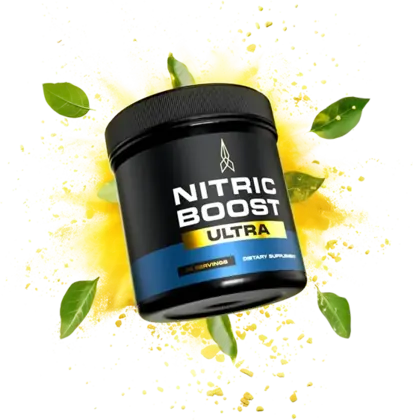
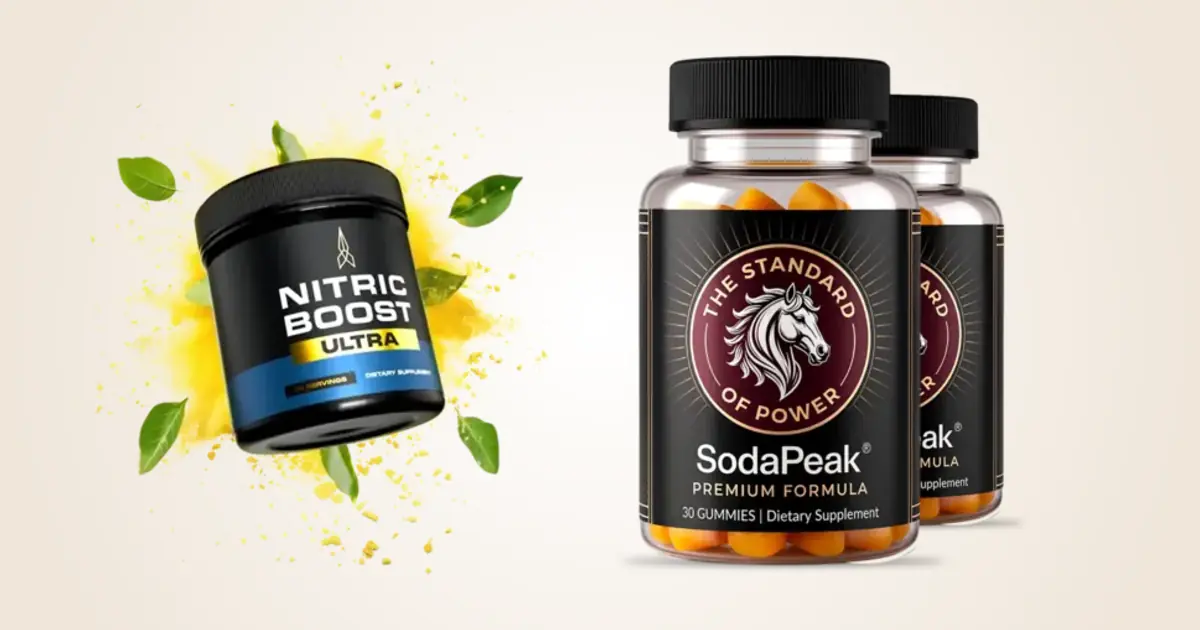
Nitric Boost Ultra
1 scoop a day (powder) · 60 days (even if empty) guarantee
Read our full review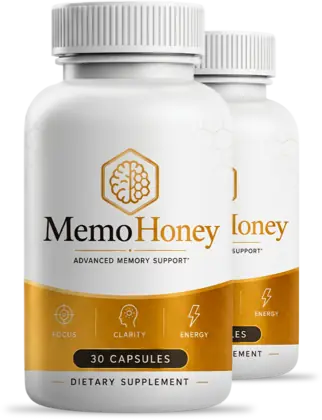
Nitric Oxide in 60 Seconds
Nitric oxide (NO) is a signaling molecule made by the lining of your blood vessels. It tells the surrounding muscle to relax, which widens the vessel and supports healthy blood flow, delivering oxygen and nutrients to muscles, the brain and other tissues.
The body makes NO from the amino acid L-arginine. NO production tends to decline with age, which is why ingredients that support it are popular in men's health, sports and circulation formulas.
Why does it decline? The inner lining of blood vessels (the endothelium) tends to become less responsive over the years, and common midlife factors like high blood pressure, high blood sugar, smoking, extra weight and inactivity all make it harder for the body to produce and use nitric oxide. The good news is that the same factors are things you can work on, and regular exercise is one of the most reliable ways to support healthy endothelial function at any age.
L-Arginine: The Direct Building Block
L-arginine is the direct raw material for nitric oxide. It's found in meat, fish, dairy, nuts and legumes. The catch: when you swallow arginine, a large share is broken down by an enzyme (arginase) in the gut and liver before it reaches your bloodstream. High doses can also cause stomach upset or diarrhea.
According to MedlinePlus, L-arginine is likely safe for most adults when taken by mouth short term, but it can lower blood pressure and may interact with several medications.
Some supplements use alternative forms, like arginine AKG (arginine bound to alpha-ketoglutarate), which brands describe as a highly absorbable option for steady nitric oxide support.
L-Citrulline: The Smart Workaround
L-citrulline is an amino acid found in watermelon (its name comes from Citrullus, the watermelon genus). Your body doesn't use it directly for NO; instead, the kidneys convert it into arginine.
Because citrulline isn't broken down by arginase on the way in, studies have found that oral citrulline can raise blood arginine levels as well as, or better than, arginine itself, and it tends to be gentler on the stomach. It also comes in forms like citrulline malate, popular in sports nutrition.
Side by Side: Arginine vs. Citrulline
| L-arginine | L-citrulline | |
|---|---|---|
| Role in nitric oxide | Direct building block | Converted into arginine, mainly in the kidneys |
| Survives digestion | Much is broken down before reaching the blood | Largely bypasses that breakdown |
| Stomach comfort | High doses can cause upset or diarrhea | Generally gentler |
| Main food sources | Meat, poultry, fish, dairy, nuts, seeds, legumes | Watermelon and other melons, cucumbers |
| Common forms | L-arginine, arginine AKG, arginine HCl | L-citrulline, citrulline malate, citrulline HCl |
| Typical study dose | 2–6 g a day | 3–6 g a day |
What the Research Says
Blood arginine levels. A well-known 2008 study in the British Journal of Clinical Pharmacology compared oral L-citrulline with L-arginine in healthy volunteers. Citrulline raised blood arginine levels in a dose-dependent way and did so more efficiently than arginine itself. That finding is the main reason citrulline became so popular.
Blood flow and blood pressure. Small studies suggest both amino acids may modestly support healthy blood vessel function and blood pressure in some people. Results vary, and effects are generally small compared with lifestyle changes or medication.
Exercise. Citrulline and citrulline malate are widely studied in sports nutrition, with mixed results for endurance and muscle soreness. Some people notice a difference; many don't.
The honest takeaway: these ingredients are best seen as support for healthy circulation, not as treatments. If you're trying them for energy, workouts or vitality, give a product several weeks and judge it by how you feel and perform.
Food Sources: Getting More From Your Plate
- Arginine-rich foods: turkey, chicken, pork, fish, dairy, pumpkin seeds, peanuts, almonds, soybeans, lentils and chickpeas. Most adults already get a few grams a day from food.
- Citrulline-rich foods: watermelon is by far the best-known source, and the pale rind contains more than the red flesh. Other melons and cucumbers provide smaller amounts.
- Nitrate-rich foods: beets, arugula, spinach, celery and other leafy greens feed the separate nitrate pathway to nitric oxide.
A diet with plenty of vegetables, legumes, nuts and lean protein covers all three routes at once, and it's good for your heart for many other reasons.
Why Many Formulas Use Both
Combining the two offers a quick supply of arginine plus a steadier, longer-lasting source through citrulline. You'll find this approach in:
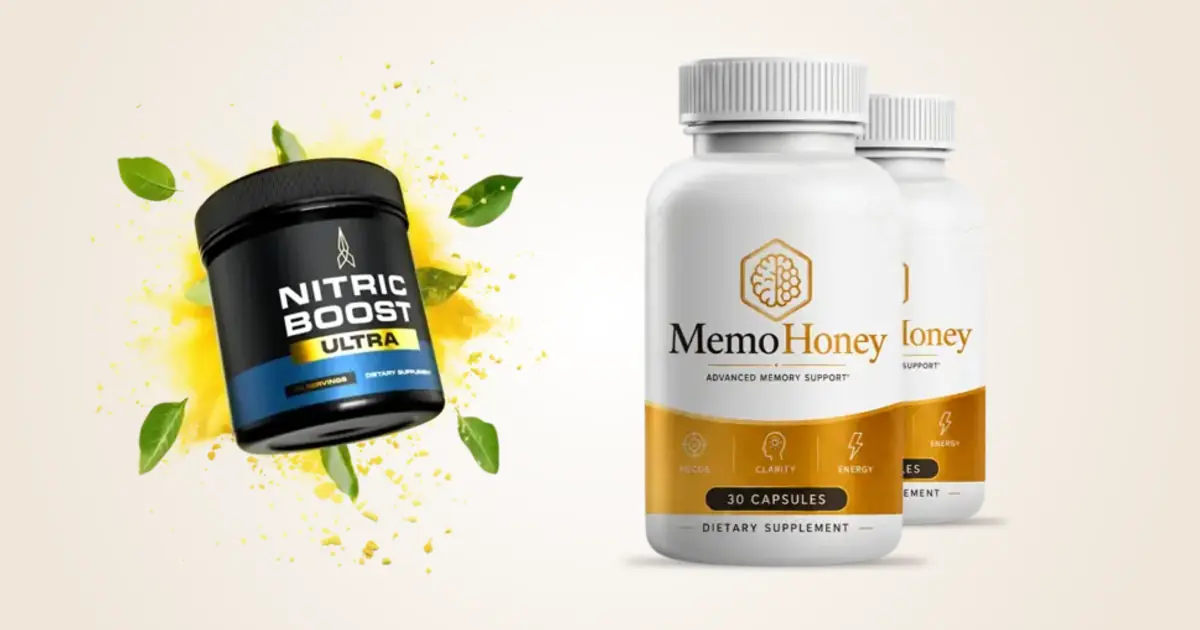
- Nitric Boost Ultra: a daily powder with beet root (natural nitrates), L-arginine and L-citrulline DL-malate, plus niacin and botanicals.
- MemoHoney: a capsule with L-arginine (200 mg), L-arginine AKG (200 mg), L-citrulline HCl (100 mg) and L-citrulline malate (100 mg), designed to support healthy blood flow to the brain.
Beet root adds another route: its natural nitrates are converted to nitric oxide through a separate pathway that doesn't depend on arginine at all.
Which One Should You Choose?
- Choose citrulline if you want the more efficient way to raise arginine levels, or if arginine has upset your stomach in the past.
- Choose arginine if you prefer the direct building block and tolerate it well, or if you already use a formula built around it.
- Choose a combination if you want both a quick and a steadier source in one product, especially one that also includes beet root nitrates.
- Choose food first if you'd rather not take supplements: watermelon, beets, leafy greens, nuts and legumes are a great starting point.
Whatever you pick, consistency matters more than the exact form. If you're shopping for a complete men's formula, our men's vitality supplement guide compares several options.
Typical Doses
| Ingredient | Typical daily range in studies |
|---|---|
| L-arginine | 2–6 g, often split into doses |
| L-citrulline | 3–6 g |
| Citrulline malate | 6–8 g (about 2:1 citrulline to malate) |
Formulas that combine many ingredients often use smaller amounts. Check the label and follow the directions.
How to Read a Nitric Oxide Supplement Label
- Compare doses to studies. Single-ingredient products often use grams; multi-ingredient capsules usually use milligrams. Neither is wrong, but know what you're getting. MemoHoney, for example, discloses 600 mg of combined arginine and citrulline forms per capsule, designed as part of a broader brain-support formula.
- Do the citrulline malate math. In a 2:1 citrulline malate, about two-thirds of the weight is citrulline.
- Watch for proprietary blends that list a total weight without individual amounts.
- Check for niacin. Niacin (vitamin B3) supports circulation and energy, but larger amounts can cause a temporary warm, red “flush.”
- Look for stimulants such as caffeine or other energy ingredients if you're sensitive or take heart medication.
- Read the guarantee and buying terms before you order.
Cost Per Day
Using the two formulas mentioned above as examples:
| Product | Format | Price range | Lowest cost per day |
|---|---|---|---|
| Nitric Boost Ultra | Powder, 30 servings per jar | $49–$69 per jar | about $1.63 (6-jar package) |
| MemoHoney | Capsules, 30 per bottle | $49–$79 per bottle | about $1.63 (6-bottle package) |
Both come with a 60-day money-back guarantee. Nitric Boost Ultra's guarantee covers returned jars even if they're empty. Prices can change, so check the seller's sites.
Safety and Interactions
- Blood pressure medication: both amino acids may lower blood pressure further.
- Nitrates for chest pain and erectile dysfunction drugs (like sildenafil): combining them may cause blood pressure to drop too low.
- After a heart attack: L-arginine is not recommended; talk to your cardiologist.
- Stomach upset is the most common side effect, especially with high doses of arginine.
- Kidney disease or low blood pressure: talk to your doctor first, since citrulline is processed by the kidneys and both may lower blood pressure.
- Upcoming surgery: because these ingredients may affect blood pressure, ask your doctor whether to pause them beforehand.
If you're managing high blood pressure, these supplements are not a substitute for treatment. MedlinePlus has a good overview of proven lifestyle steps, like less salt, more activity and limiting alcohol.
Tips for Getting Started
- Start with the label dose and take it at the same time every day, such as in the morning or before a workout.
- Stay hydrated, especially with powders and pre-workout use.
- Don't stack several nitric oxide products. Overlapping arginine, citrulline and beet root adds cost without clear benefit.
- Pair it with movement. Regular aerobic exercise is one of the most reliable ways to support healthy blood vessels.
- Give it a fair trial: several weeks of consistent use, with notes on your energy and workouts, before deciding.