Maca Root for Men: Energy, Drive and What the Research Really Shows
Maca has been grown high in the Andes of Peru for thousands of years, where it's eaten as a food and traditionally used to support energy, stamina and fertility. Today it's one of the most popular ingredients in men's vitality supplements, from powders to gummies. But what does the research actually say? Here's a plain-language look at maca for men.
- Maca (Lepidium meyenii) is a root vegetable from the Peruvian Andes, related to broccoli and radish.
- It's traditionally used for energy, stamina and libido; small studies suggest benefits for sexual desire and mood.
- Maca doesn't appear to change testosterone levels in studies.
- It's generally safe as a food; typical supplement doses are 1.5–3 g a day.
A Supplement That Uses Maca
What Is Maca?
Maca (Lepidium meyenii) is a cruciferous root vegetable, a relative of broccoli, cabbage and radish, that grows at altitudes above 13,000 feet in the Peruvian Andes. Locals have eaten it for centuries, boiled, roasted or ground into flour.
It's considered an adaptogen, a term for plants traditionally used to help the body handle stress. Maca is rich in carbohydrates, fiber, amino acids and unique plant compounds called macamides and macaenes.
In Peru, maca is treated as a staple food rather than a medicine. It's cooked into porridges, baked into breads and blended into drinks. The powder has a slightly nutty, malty taste, which is why many people in the US stir it into smoothies, oatmeal or coffee. In supplements, it shows up as capsules, powders, extracts and, more recently, gummies.
What the Research Says
Sexual desire. Several small clinical trials found that maca improved self-reported sexual desire in men after 6–12 weeks. In one often-cited 12-week trial in healthy adult men, those taking maca reported more sexual desire starting around week 8, without any change in testosterone levels. A 2010 systematic review of randomized trials concluded the evidence is promising but limited, because the studies were few and small.
Energy and mood. Some small studies report improvements in mood, energy and well-being, which fits maca's traditional use.
Testosterone. Interestingly, studies have generally not found that maca changes testosterone levels. Any effect on drive seems to work through other pathways.
Sperm quality. A few small trials suggest maca may support semen quality, though results are mixed.
According to MedlinePlus, there isn't enough reliable evidence to rate maca's effectiveness for most uses, so keep expectations realistic.
Red, Black or Yellow Maca?
- Yellow maca is the most common and is used in most supplements.
- Black maca is the variety most often studied for men's vitality and sperm quality.
- Red maca has been studied mostly for prostate size in animals.
Most products use a blend or don't specify. Gelatinized maca is pre-cooked to remove starch, making it easier to digest.
The colors come from the outer skin of the root, and growers often harvest them from the same fields. Research comparing colors in people is still limited, so don't overpay for a specific color based on bold marketing claims. A clearly labeled amount, taken consistently, matters more.
Who Might Consider Maca (and Who Should Skip It)
Maca may be worth trying if you:
- Are a generally healthy man who feels your energy, mood or drive isn't what it used to be.
- Want a food-based, caffeine-free option you can add to breakfast.
- Are comfortable with modest, gradual effects and are willing to give it 6–12 weeks.
Maca probably isn't the right first step if you:
- Have new or sudden changes in sexual function. That deserves a check-up first, since it can be an early sign of heart or blood sugar problems.
- Have a thyroid condition or a hormone-sensitive condition, unless your doctor approves.
- Are hoping to raise testosterone. Studies don't show that maca does that; if you suspect low testosterone, ask your doctor about a blood test.
Typical Doses
Studies on maca usually use 1.5–3 grams per day of maca powder for 6–12 weeks. Supplements that combine maca with other ingredients often use concentrated extracts, so the amount on the label may look smaller.
| Form | Typical amount | Notes |
|---|---|---|
| Maca powder | 1.5–3 g a day (about ½–1 teaspoon) | Easy to add to food; gelatinized is gentler on digestion |
| Capsules | Often 500 mg each, several a day | Count how many capsules make up a full serving |
| Concentrated extract | Varies by ratio | A 10:1 extract means 10 g of root went into 1 g of extract |
| Gummies and blends | Varies | Maca is one of several ingredients; check the label |
Many people take maca in the morning with breakfast. It isn't a stimulant, but some find it gives them a gentle, steady sense of energy, so earlier in the day is a sensible default.
How to Choose a Maca Supplement
- Look for the amount per serving, and whether it's raw powder or a concentrated extract. A listed extract ratio helps you compare it with study doses.
- Check the type: black, red, yellow or a blend, and whether it's gelatinized.
- Look for the origin. Traditionally grown maca comes from the high Andes of Peru.
- Read the full ingredient list. Many men's formulas add other botanicals and sometimes caffeine. Know what you're taking.
- Choose reputable sellers. The FDA has found hidden prescription drug ingredients in some products marketed for sexual enhancement. Products that promise instant or dramatic effects are a red flag.
- Read the guarantee terms before you buy, including whether opened bottles qualify for a refund.
Maca vs. Other Popular Herbs for Men
| Herb | Traditional use | What research suggests |
|---|---|---|
| Maca | Energy, stamina, drive | Small studies on desire and mood; no change in testosterone |
| Ashwagandha | Stress and sleep | Some studies on stress and sleep; see the NIH fact sheet |
| Tongkat ali | Vitality and drive | Small studies, mixed results |
| Tribulus terrestris | Vitality | Studies generally haven't shown testosterone increases |
Want to dig deeper? Read our guide to tongkat ali for men, or our comparison of L-arginine vs. L-citrulline if blood flow is your main focus.
Products That Use Maca
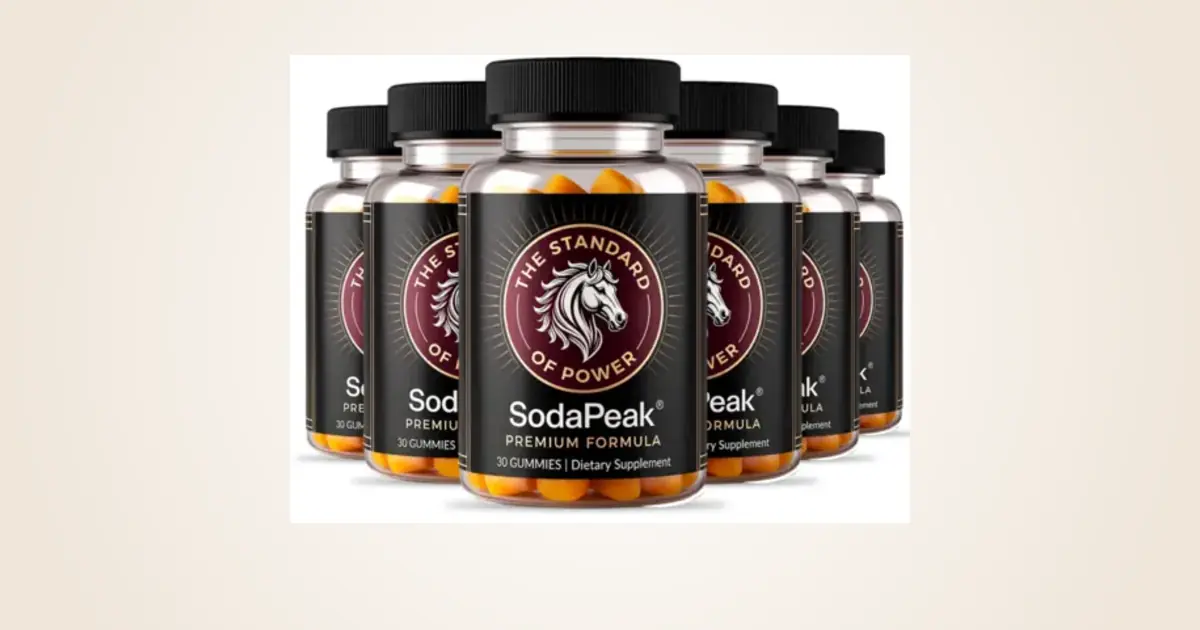
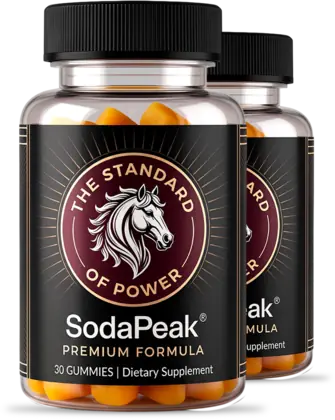
Maca often appears in formulas with other traditional botanicals. SodaPeak, for example, is a gummy with maca, Muira Puama, Catuaba, ashwagandha, Tribulus terrestris, epimedium and green tea, with only 5 mg of caffeine per gummy. If you prefer a powder focused on blood flow, see our comparison in the best men's vitality supplements guide.
SodaPeak is made in the USA in a GMP facility, and the brand recommends chewing one gummy a day, in the morning or about 30 minutes before your main activities or workouts. It's not intended for anyone under 18, and men with heart problems, high blood pressure or who take prescription medication should talk to a doctor first. Read our full SodaPeak review for the complete label.
What a gummy costs: SodaPeak comes in bottles of 30 gummies (one a day). Two bottles are $79 each ($158 + $9.99 shipping), three are $69 each ($207) and six are $49 each ($294) with free shipping, which works out to about $1.63 a day. It's a one-time payment with no subscription. Note its refund terms: the 60-day guarantee applies to unopened bottles, return shipping is paid by the customer and a 20% restocking fee applies, so read the seller's policy before ordering. Prices can change.
Safety
- Maca is likely safe when eaten as food and possibly safe in supplement doses for up to 4 months.
- Because it's cruciferous, people with thyroid conditions should talk to their doctor.
- Avoid it if you have hormone-sensitive conditions, unless your doctor approves.
- Side effects are uncommon, but some people notice mild stomach upset, especially with raw (non-gelatinized) powder.
- If you take medication for blood pressure, diabetes or a heart condition, check with your doctor before starting a men's formula, especially one that combines maca with other botanicals or caffeine.
A Realistic Timeline
- Weeks 1–2: build the habit. Take your maca at the same time each day.
- Weeks 3–6: some men notice steadier energy or a better mood; many don't notice much yet.
- Weeks 6–12: this is the window most studies use. If you haven't noticed a difference you care about by about three months, maca may not be for you.
Keep a few notes along the way: sleep, energy, mood and drive. It's much easier to judge real change that way than from memory.
Habits That Support Energy and Drive
Maca works best on top of the basics, not instead of them:
- Sleep 7–9 hours. Short sleep is one of the fastest ways to lower energy and drive.
- Lift something. Strength training two or three times a week supports muscle, energy and confidence.
- Move every day. Good circulation matters for sexual health, and aerobic exercise supports healthy blood vessels.
- Keep alcohol moderate and don't smoke.
- Manage stress, whether through walks, hobbies or time with friends.
- Get regular check-ups. Blood pressure, blood sugar, cholesterol and, when appropriate, hormone levels are worth knowing. MedlinePlus notes that erection problems are often linked to conditions like heart disease and diabetes.
Frequently Asked Questions
Does maca increase testosterone?
How long does maca take to work?
Can I take maca every day?
Is maca a stimulant?
Which maca is best for men: black, red or yellow?
Does maca have side effects?
Should I take maca in the morning or at night?
Is maca safe to take with blood pressure medication?
- Gonzales GF, et al. Effect of Lepidium meyenii (MACA) on sexual desire and its absent relationship with serum testosterone levels in adult healthy men. Andrologia. 2002
- Shin BC, et al. Maca (L. meyenii) for improving sexual function: a systematic review. BMC Complement Altern Med. 2010
- FDA: Tainted sexual enhancement products
- MedlinePlus: Erectile dysfunction
- MedlinePlus: Maca
- NIH Office of Dietary Supplements: Ashwagandha fact sheet