Online GLP-1 Weight Loss Programs: 10 Things to Know Before You Sign Up (2026)

Telehealth has made GLP-1 medications like semaglutide and tirzepatide easier to access than ever. A few clicks, a health questionnaire and a provider review, and medication can arrive at your door. But programs differ a lot in price, in what's included and in the type of medication they offer. Before you enter your card details, here are the ten things we think every adult should know.
- Legitimate programs require a health assessment and a prescription from a licensed provider.
- Compounded semaglutide and tirzepatide are cheaper but not FDA-approved.
- Monthly prices vary widely; check what's included and whether the price rises with dose.
- GLP-1 medications have real side effects and aren't for everyone.
Programs We're Covering
TrimRX
Telehealth GLP-1 program (Rx)
1. How Telehealth GLP-1 Programs Work
Most programs follow the same steps: you complete an online health questionnaire, a licensed provider reviews it (sometimes with a video or message consult), and if treatment is appropriate, a prescription is sent to a partner pharmacy that ships the medication to you. Follow-up check-ins adjust your dose over time.
Expect the questionnaire to ask about your height and weight, current medications, past and present health conditions, family history of thyroid cancer, pregnancy plans and previous weight-loss attempts. Some programs ask for recent lab results or a photo ID; others use a live video visit, which is required in some states. Answer every question honestly. The provider can only keep you safe with complete information.
Most of these medications are once-weekly injections you give yourself under the skin of the belly, thigh or upper arm. Good programs explain how to inject, how to store the medication and what to do if you miss a dose.
2. Who Is Eligible
GLP-1 medications for weight management are generally prescribed for adults with a BMI of 30 or higher, or 27 or higher with a weight-related condition such as high blood pressure or type 2 diabetes. Providers will also screen for conditions that make these drugs unsafe.
These criteria come from the FDA-approved labels for brand-name weight-management medications, as summarized by the NIDDK. Be cautious of any program that seems willing to prescribe regardless of your weight or health history; a careful screening process is a sign of a responsible program, not an inconvenience.
3. Compounded vs. Brand-Name Medication
Brand-name drugs (Wegovy, Zepbound, Ozempic, Mounjaro) are FDA-approved and made by the original manufacturer. Compounded versions are made by compounding pharmacies; they're usually much cheaper, but they are not FDA-approved and haven't been reviewed by the FDA for safety, effectiveness or quality. The FDA has warned about dosing errors and unapproved products, so choose programs that use licensed US pharmacies.
The FDA states that compounded drugs should only be used when a patient's medical needs can't be met by an FDA-approved drug, and that patients should fill prescriptions at a state-licensed pharmacy. The agency has also flagged specific concerns:
- Multi-dose vials: compounded GLP-1s often come in vials with several doses. The FDA recommends discarding a vial 28 days after first use, even if medication remains, and using a new sterile needle and syringe for every dose.
- Shipping temperature: injectable GLP-1s need refrigeration. The FDA advises not using any injectable GLP-1 that arrives warm or without adequate cold packs.
- Fraudulent products: the FDA is aware of fake compounded semaglutide and tirzepatide with false pharmacy names on the label.
- Dosing in units vs. milligrams: compounded doses are often measured with a syringe in units, which has led to dosing errors. Double-check your instructions with the pharmacy or provider.
4. What It Really Costs
Advertised starting prices are often for the first month or the lowest dose. Ask:
- Does the price include the provider consult, medication and shipping?
- Does it go up as your dose increases?
- Is there a membership fee on top of the medication?
- Do you have to prepay several months?
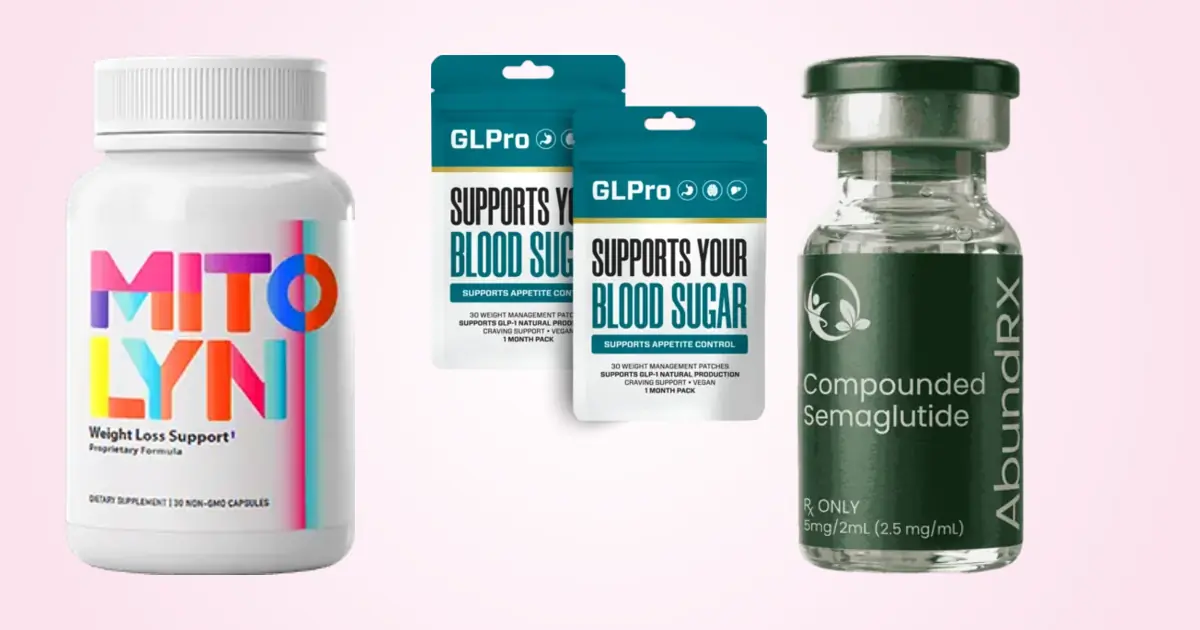
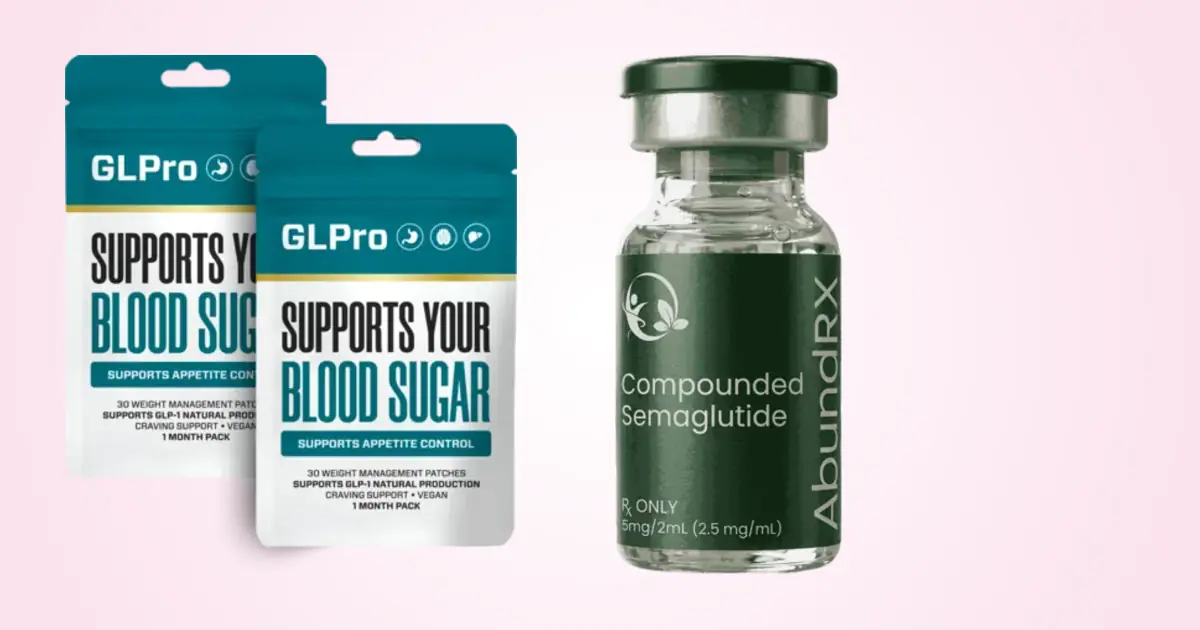
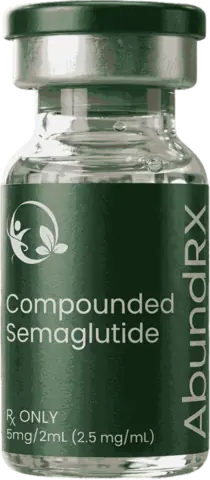
For example, AbundRX lists compounded semaglutide-based care from $99 and tirzepatide-based care from $149 as starting prices. TrimRX has been reported to list compounded semaglutide from about $199 per month and also offers brand-name options at much higher prices. Always confirm current pricing on the seller's site.
Brand-name medication without insurance often costs over $1,000 a month at retail. Coverage for weight-management drugs varies widely between insurance plans, and many plans require prior authorization. Both brand-name manufacturers have also introduced lower-priced self-pay options in recent years, so it's worth comparing those prices with compounded programs before deciding. Remember to budget for the long term: these medications are designed to be taken for months or years, not weeks.
5. Side Effects to Expect
The most common side effects are nausea, vomiting, diarrhea, constipation and stomach pain, especially when starting or increasing the dose. Serious but less common risks include pancreatitis, gallbladder problems and low blood sugar when combined with other diabetes medications. See MedlinePlus for the full list.
Practical ways to ease digestive side effects:
- Eat smaller meals and stop as soon as you feel full.
- Go easy on fried, greasy and very sweet foods, especially in the first weeks.
- Drink water throughout the day. Vomiting or diarrhea can cause dehydration, which can affect the kidneys.
- Don't rush dose increases. Ask your provider about staying at a dose longer if side effects are hard to manage.
Two more safety points are easy to miss. If you're having surgery or a procedure with anesthesia, including dental surgery, tell the doctor or dentist you take a GLP-1, because these drugs slow stomach emptying. And according to MedlinePlus, tirzepatide may make birth control pills and other hormonal contraceptives less effective, so your doctor may suggest another method for 4 weeks after starting and after each dose change.
Get medical help right away for severe stomach pain that won't go away (with or without vomiting), signs of an allergic reaction, a lump or swelling in the neck, or trouble swallowing.
6. Who Should Not Take GLP-1 Medication
- People with a personal or family history of medullary thyroid cancer or MEN2.
- Anyone who is pregnant, planning a pregnancy or breastfeeding.
- People with a history of pancreatitis should discuss risks carefully with a provider.
- People with a history of severe stomach emptying problems (gastroparesis) or certain eye complications of diabetes should tell their provider, as extra caution may be needed.
Also tell the provider about every other medication you take, especially insulin or sulfonylureas for diabetes, since the combination can raise the risk of low blood sugar.
7. Red Flags
- No health questionnaire or provider review.
- “Research use only” or “not for human consumption” products.
- Medication sold without a prescription, or shipped from outside the US.
- Prices that seem too good to be true.
- Claims that a compounded drug is “the same as” an FDA-approved drug.
- No licensed provider available to answer questions after your medication arrives.
- Medication that looks different from what was pictured, arrives damaged or without instructions, or has spelling errors or an incorrect pharmacy address on the label.
Several of these come straight from the FDA's list of telehealth red flags. The FDA's BeSafeRx campaign also explains how to check that an online pharmacy is licensed.
8. Lifestyle Still Matters
Studies of GLP-1 medication combine it with diet and activity changes. Eating enough protein and doing strength training helps protect muscle while you lose weight.
This matters even more after 40, when muscle mass naturally declines. A good starting point:
- Protein at every meal, such as eggs, Greek yogurt, fish, chicken, beans or tofu. Smaller appetites make this harder, so eat your protein first.
- Strength training two or three times a week, even with resistance bands or bodyweight moves.
- Daily walking and plenty of fluids.
- Fiber from vegetables, fruit and whole grains, which also helps with the constipation some people get.
9. Plan for the Long Term
Weight often returns after stopping GLP-1 medication. Ask the provider what the plan is for maintenance and how long treatment is expected to last.
In a follow-up of one major semaglutide trial, people who stopped the medication regained about two-thirds of the weight they had lost within a year. That's not a reason to avoid treatment, but it's a reason to think of obesity as a long-term condition, like high blood pressure, and to build habits that last. Some people stay on a maintenance dose; others taper with their provider's guidance. Don't stop or change your dose without talking to them first.
10. Not Ready for Medication?
If you'd rather start with a non-prescription approach, read our guide to metabolism support after 40 or our explainer on GLP-1 patches vs. Ozempic.
Semaglutide vs. Tirzepatide: The Basics
| Semaglutide | Tirzepatide | |
|---|---|---|
| How it works | Acts on the GLP-1 pathway | Acts on both GIP and GLP-1 pathways |
| Brand names | Wegovy (weight), Ozempic (type 2 diabetes) | Zepbound (weight), Mounjaro (type 2 diabetes) |
| How often | Once weekly injection | Once weekly injection |
| Dosing | Starts low and increases gradually | Starts low and increases gradually |
| Common side effects | Nausea, diarrhea, constipation | Nausea, diarrhea, constipation |
In large clinical trials of the FDA-approved brand-name versions, combined with lifestyle changes, average weight loss was roughly 15% of body weight with semaglutide and up to about 20% with the highest dose of tirzepatide, over about a year and a half. Individual results vary widely, and those results come from FDA-approved products, not compounded versions. Your provider will recommend which option, if any, fits your health history.
Questions to Ask Before You Sign Up
- Who will review my information, and are they licensed in my state?
- Is the medication brand-name or compounded? If compounded, which pharmacy makes it, and is it state-licensed?
- What exactly does the monthly price include, and how does it change as my dose goes up?
- How do I reach a provider if I have side effects, and how quickly will they respond?
- How is the medication shipped and kept cold?
- Can I cancel at any time, and are there any prepayment or refund terms?
- What's the plan if I reach my goal, or want to stop?
A trustworthy program will answer these clearly before you pay. For example, the AbundRX program says its process starts with an online assessment reviewed by a licensed provider, with follow-up support and free shipping from a licensed pharmacy where permitted.
What to Expect in the First Three Months
- Weeks 1–4: you'll start on a low dose that's mainly meant to let your body adjust. Appetite often drops noticeably; weight loss is usually modest at this stage. Nausea is most common now.
- Weeks 5–12: your provider typically increases the dose step by step, often every four weeks, based on how you're tolerating it. Weight loss tends to pick up gradually.
- Month 3 and beyond: a good time to review progress, side effects and lab work with your provider, and to make sure you're eating enough protein and staying active.
Weight loss with these medications is usually steady, not dramatic week to week. Track your waist, energy and blood pressure alongside the scale.