Lutein and Zeaxanthin for Eye Health: Benefits, Dosage and the AREDS2 Research

Lutein and zeaxanthin are two of the most researched nutrients in eye health. They're the yellow pigments that concentrate in the center of your retina, and they're the star ingredients in many eye supplements. But who actually benefits, how much do you need, and can food do the job? Here's what the science says, with a focus on the landmark AREDS2 study from the National Eye Institute.
- Lutein and zeaxanthin concentrate in the macula, the part of the retina responsible for sharp central vision.
- They act as antioxidants and filter high-energy blue light.
- The AREDS2 formula (10 mg lutein, 2 mg zeaxanthin plus vitamins and zinc) helped slow intermediate AMD.
- Leafy greens like kale and spinach are the richest food sources.
An Eye Supplement We're Reviewing
What Lutein and Zeaxanthin Do
Lutein and zeaxanthin are carotenoids, plant pigments related to beta-carotene. Your body can't make them, so they come from food. Once absorbed, they travel to the eyes and concentrate in the macula, where they form what's called the macular pigment.
There, they appear to do two jobs: absorb high-energy blue light before it reaches sensitive cells, and neutralize free radicals that build up with age and light exposure.
Think of macular pigment as a built-in pair of internal sunglasses. Its density varies a lot from person to person, and studies show it tends to be lower in people who eat few vegetables, who smoke, or who carry extra weight. The encouraging part: in research, macular pigment levels generally rise when people eat more lutein-rich foods or take supplements for several months.
A third carotenoid, meso-zeaxanthin, is also found in the macula. The body makes much of it from lutein, and some eye formulas add it directly.
What the AREDS2 Study Found
The Age-Related Eye Disease Studies (AREDS and AREDS2), run by the National Eye Institute, are the most important research on eye supplements. AREDS2 found that a formula containing vitamin C (500 mg), vitamin E (400 IU), zinc (80 mg), copper (2 mg), lutein (10 mg) and zeaxanthin (2 mg) reduced the risk of progression to advanced age-related macular degeneration (AMD) in people who already had intermediate AMD.
Lutein and zeaxanthin replaced beta-carotene from the original formula, which had been linked to a higher risk of lung cancer in smokers.
Important: the benefit was shown in people with intermediate or advanced AMD in one eye. The study didn't show that these supplements prevent AMD in people with healthy eyes.
Other key findings from AREDS2:
- Omega-3s didn't add benefit. Adding fish oil (DHA and EPA) to the formula did not further reduce AMD progression.
- Lower zinc looked similar. A lower zinc dose (25 mg) appeared to work about as well as the original 80 mg, which matters because high-dose zinc can upset the stomach.
- Long-term follow-up favored lutein. A 10-year follow-up published in 2022 found the lutein and zeaxanthin version continued to look better than the old beta-carotene version for slowing progression, without the lung cancer concern.
AREDS vs AREDS2 Formulas at a Glance
| Nutrient | Original AREDS | AREDS2 |
|---|---|---|
| Vitamin C | 500 mg | 500 mg |
| Vitamin E | 400 IU | 400 IU |
| Beta-carotene | 15 mg | None |
| Lutein | None | 10 mg |
| Zeaxanthin | None | 2 mg |
| Zinc | 80 mg | 80 mg |
| Copper | 2 mg | 2 mg |
If you've been told you have intermediate AMD, your eye doctor will most likely recommend an AREDS2-style formula. Current or former smokers should choose a version without beta-carotene.
Other Possible Benefits
Smaller studies suggest higher lutein and zeaxanthin intake may support contrast sensitivity, glare recovery and visual processing speed. Research on cataracts is mixed. These are promising areas, but not as well established as the AREDS2 findings.
In everyday terms, those measures relate to things like reading in dim light, recovering after oncoming headlights at night, or picking out a gray step on a gray sidewalk. Some people notice nothing at all; changes in studies were often small and measured with lab equipment.
What about screens and blue light? Digital eye strain (tired, dry or achy eyes after hours at a computer) mostly comes from blinking less and focusing up close for long stretches. Lutein isn't a fix for that. Regular breaks, good lighting, and keeping your screen at arm's length help more.
Who May Benefit Most
- People with intermediate AMD, or advanced AMD in one eye: the group in which AREDS2 showed a benefit. Follow your eye doctor's advice.
- People with a family history of AMD who want to discuss options with their eye doctor.
- Adults who rarely eat leafy greens. Most Americans get only 1–3 mg a day from food, well below the 10 mg used in AREDS2.
- Current and former smokers, who tend to have lower macular pigment (and should avoid beta-carotene formulas).
- Older adults who notice glare sensitivity or trouble in low light, after an eye exam rules out cataracts and other causes.
If you're under 50 with healthy eyes and a diet rich in vegetables, you likely get a good amount from food already.
Best Food Sources
| Food (1 cup cooked) | Lutein + zeaxanthin |
|---|---|
| Kale | About 20–25 mg |
| Spinach | About 20 mg |
| Collard greens | About 15 mg |
| Peas, corn, broccoli | About 2–4 mg |
| Egg yolk (1 large) | Under 1 mg, but very well absorbed |
Values are approximate. Eating these foods with a little fat (like olive oil) improves absorption.
Easy ways to eat more:
- Toss a handful of baby spinach into eggs, soups, pasta sauce or a smoothie.
- Sauté kale or collards in olive oil with garlic as a quick side.
- Keep frozen peas, corn and chopped spinach on hand for busy nights.
- Add orange peppers, pistachios or a couple of eggs to your weekly rotation for smaller but helpful amounts.
Two or three servings of dark leafy greens a week, plus colorful vegetables daily, is a practical target that also supports your heart and overall health.
Eye Supplements Beyond Lutein
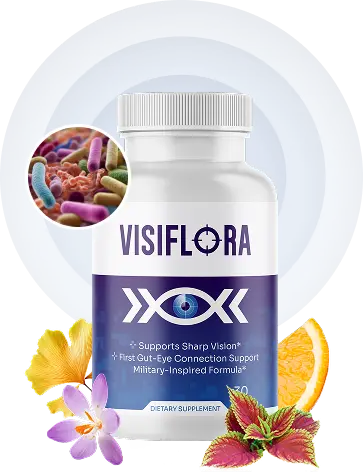
Many eye formulas now go beyond the AREDS2 list. VisiFlora, for example, is a daily capsule that, according to the brand, combines lutein, zeaxanthin, bilberry, saffron and zinc with antioxidants like astaxanthin and vitamins C and E, plus “gut-eye” support compounds such as quercetin, rutin, grape seed and taurine. The idea is that gut health and inflammation may influence the eyes, an emerging but still early area of research. Read our full VisiFlora review for ingredients, pricing and refund terms.
When comparing products, check whether the lutein and zeaxanthin amounts match the AREDS2 doses (10 mg and 2 mg).
How to Choose an Eye Supplement
- Know your goal. If your eye doctor diagnosed intermediate AMD, choose a product that matches the AREDS2 formula. For general eye support, a lutein and zeaxanthin product may be enough.
- Check the doses of lutein (10 mg) and zeaxanthin (2 mg) on the label, not just the ingredient names.
- Avoid beta-carotene if you smoke or used to smoke.
- Watch the extras. Many formulas add herbs like bilberry or saffron. These have less research behind them, so they're a bonus at best, not a reason to choose a product on their own.
- Look for quality signals: third-party testing, GMP manufacturing and a full ingredient list without proprietary blends.
- Don't double up. If you already take a multivitamin, add up the zinc, vitamin E and vitamin A so you don't take more than you need.
How to Take It and What to Expect
- Take it with a meal that has some fat, since lutein and zeaxanthin are fat-soluble.
- Free lutein or lutein esters both work; the body converts esters during digestion.
- Be patient. In studies, macular pigment rises gradually over several months of daily use.
- Keep your eye appointments. A supplement doesn't replace dilated exams, which are how AMD changes are tracked.
Safety notes: lutein and zeaxanthin are generally well tolerated. The high zinc in AREDS formulas can cause stomach upset, and vitamin E may not suit people on blood thinners. Check with your doctor or pharmacist if you take other medications.
Everyday Habits for Healthy Eyes
- Get a dilated eye exam regularly after 50; AMD and glaucoma often have no early symptoms.
- Don't smoke: smoking is a major risk factor for AMD and cataracts.
- Wear sunglasses that block UV light.
- Follow the 20-20-20 rule for screen time: every 20 minutes, look 20 feet away for 20 seconds.
- Eat leafy greens and colorful vegetables several times a week.
- Manage blood pressure, blood sugar and cholesterol, which affect the tiny blood vessels in your eyes.
- Know your family history and share it with your eye doctor; AMD and glaucoma can run in families.
- Check each eye with an Amsler grid at home if your eye doctor recommends it, to spot new wavy or missing areas early.
The National Eye Institute has more simple tips for keeping your eyes healthy at every age.
A Supplement With Lutein and Zeaxanthin: VisiFlora
VisiFlora is the eye supplement we've reviewed that puts lutein and zeaxanthin front and center, together with bilberry, saffron and zinc, plus compounds for gut support. VisiFlora is a daily capsule, so it's an easy way to add these eye nutrients if your diet is low in leafy greens.
Before choosing VisiFlora, check the label against the AREDS2 doses described above, and talk to your eye doctor if you have macular degeneration or another eye condition. Our VisiFlora review covers the full formula, pricing and the 60-day guarantee.
Frequently Asked Questions
How much lutein should I take daily?
Can lutein improve eyesight?
Are lutein supplements safe?
Is it better to get lutein from food or supplements?
How long does it take for lutein to work?
Does lutein help with eye strain from screens?
Can I take lutein with my multivitamin?
Should I take an eye supplement if I don't have AMD?
Does VisiFlora contain lutein and zeaxanthin?
- National Eye Institute: AREDS/AREDS2 clinical trials
- AREDS2 Research Group. Lutein + zeaxanthin and omega-3 fatty acids for age-related macular degeneration: the AREDS2 randomized clinical trial. JAMA, 2013
- Chew EY. et al. Long-term outcomes of adding lutein/zeaxanthin and omega-3 fatty acids to the AREDS supplements: AREDS2 Report 28. JAMA Ophthalmol, 2022
- National Eye Institute: Keep your eyes healthy
- MedlinePlus: Macular degeneration
- National Eye Institute: Age-related macular degeneration