Do Hearing Supplements Work? What the Research Says (2026)
Turning up the TV a few notches. Asking people to repeat themselves in busy restaurants. Feeling tired after conversations because listening takes effort. Age-related hearing changes are extremely common, and hearing supplements have become a popular way to support ear health. But what can they actually do? In this guide we explain, in plain language, how hearing works, which nutrients are linked to ear health, what the research says, and how to choose a supplement without falling for exaggerated claims.
- About one in three US adults aged 65 to 74 has hearing loss, and it's more common with age.
- The inner ear's hair cells are sensitive to noise, reduced blood flow and oxidative stress.
- Antioxidant-rich supplements can support ear health, but they don't reverse hearing loss or replace hearing aids.
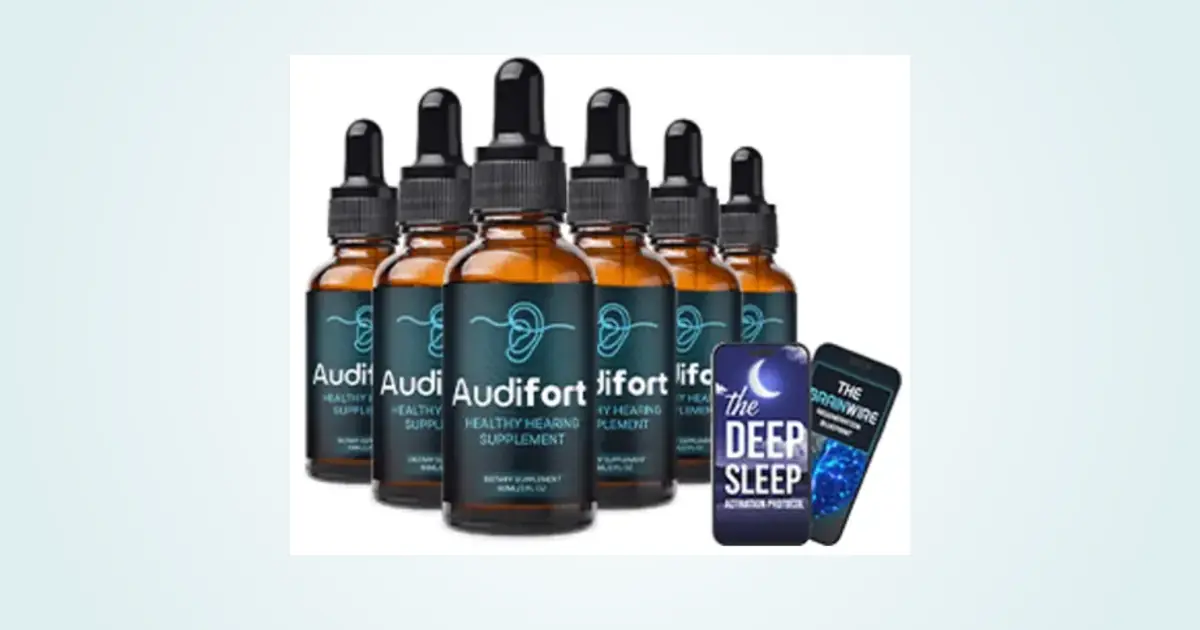
- One option for daily hearing support is Audifort drops, with a 90-day guarantee.
Products Compared at a Glance
How Hearing Works (and Why It Changes)
Sound travels through your ear canal to the eardrum, then through three tiny bones into the inner ear, where thousands of delicate hair cells turn vibrations into nerve signals for the brain. These hair cells don't regenerate in humans, so protecting them matters.
According to the National Institute on Deafness and Other Communication Disorders (NIDCD), age-related hearing loss is one of the most common conditions affecting older adults: about one in three people between 65 and 74 has hearing loss. The main contributors are:
- Noise exposure over a lifetime, from work, concerts, power tools or headphones.
- Reduced blood flow to the inner ear, often linked to heart health, diabetes and smoking.
- Oxidative stress, which damages hair cells over time.
- Genetics and certain medications.
The same institute notes that nearly half of adults older than 75 have difficulty hearing. Because the change is usually gradual, many people don't notice it themselves; family members often notice first.
Signs Your Hearing May Be Changing
Age-related hearing loss tends to creep in slowly and usually affects both ears. Common early signs include:
- Turning up the TV or radio higher than others prefer.
- Trouble following conversations in restaurants or at family gatherings.
- Thinking people are mumbling, especially women's and children's higher-pitched voices.
- Difficulty hearing on the phone.
- Asking people to repeat themselves often.
- Feeling worn out after social events because listening takes extra effort.
- A ringing, buzzing or hissing sound in the ears (tinnitus).
If several of these sound familiar, the most useful first step is a hearing test with an audiologist or your doctor. It's quick, painless and gives you a clear baseline.
What Hearing Supplements Can and Can't Do
What they can do: provide antioxidants and nutrients that support the health of delicate ear cells and healthy circulation, as part of a lifestyle that protects your hearing.
What they can't do: reverse established hearing loss, regrow hair cells, cure tinnitus or replace hearing aids. Be cautious with any product that promises these things.
Think of a hearing supplement like a daily multivitamin for your ears: a reasonable addition for people who want to support ear health, especially alongside hearing protection and regular hearing checks.
Nutrients Linked to Ear Health
Antioxidants. Because oxidative stress is one of the drivers of age-related hearing changes, antioxidant-rich ingredients like grape seed and green tea extracts are common in hearing formulas.
Circulation support. The inner ear depends on a tiny blood supply. Ingredients that support healthy blood flow are often included for this reason.
Calming support. Ingredients like GABA support relaxation, which many people value if ringing or noise makes it hard to unwind.
B vitamins, magnesium and zinc are also frequently studied in relation to ear health.
Audifort Hearing Support Drops
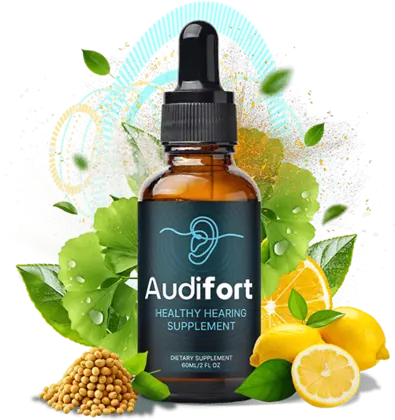
Audifort
Liquid hearing support drops with 20+ ingredients. 90-day money-back guarantee. From $49 per bottle.
Check Pricing → Read our full reviewAudifort is a liquid supplement in a 60 ml bottle with more than 20 ingredients, including grape seed and green tea (antioxidants), maca root (natural energy), Capsicum annuum (healthy inflammatory response), Gymnema sylvestre and GABA (relaxation). Many customers add the drops to their morning coffee or water, which makes it easy to stay consistent.
It's a natural, non-habit-forming formula sold through ClickBank with a 90-day money-back guarantee. Two bottles cost $79 each plus shipping, three cost $69 each and six cost $49 each, with free US shipping and two bonus eBooks on the larger packages.
Good to know: individual ingredient amounts aren't shown on the order page, and Audifort is not a substitute for hearing aids or medical care.
Everyday Ways to Protect Your Hearing
- Turn it down: keep headphone volume below 60% and take listening breaks.
- Use earplugs for concerts, lawn mowers and power tools.
- Look after your heart: what's good for your blood vessels is good for your ears.
- Don't smoke, which is linked to higher risk of hearing loss.
- Get your hearing checked regularly after 50, or sooner if you notice changes.
What the Research Says
Here's the honest picture. Researchers have studied whether nutrients like antioxidants, folate, magnesium and omega-3 fats are linked to hearing health, mostly through observational studies and small trials. Some findings are interesting, especially around diets rich in fruits, vegetables and fish, but there isn't strong evidence that any supplement can slow or reverse age-related hearing loss in well-nourished adults.
What is well established, according to the NIDCD, is that noise exposure is one of the most preventable causes of hearing loss, and that hearing aids and other devices can make a real difference in daily life. That's why we see hearing supplements as an optional, supportive extra, never as a first-line solution.
If you choose to try one, you're making a reasonable personal decision to support your overall ear health, as long as your expectations are realistic and you keep up with hearing checks.
Supplements vs. Hearing Aids: Know the Difference
| Hearing supplement | Hearing aid | |
|---|---|---|
| What it does | Provides nutrients linked to ear health | Amplifies sound so you can hear it |
| Evidence | Limited and mixed | Well established for hearing loss |
| Who it's for | Adults who want to support ear health | People with measurable hearing loss |
| Prescription | No | No for over-the-counter aids; yes for some prescription models |
Since 2022, the FDA has allowed over-the-counter hearing aids for adults 18 and older with perceived mild to moderate hearing loss. You can buy them without a prescription or an exam, which has made them far more affordable and accessible. For more significant hearing loss, an audiologist can recommend and fit prescription devices. The NIDCD's hearing aid guide is a helpful starting point.
How to Choose a Hearing Supplement
- Avoid big promises. Any product claiming to “restore” hearing, “cure” tinnitus or replace hearing aids is overselling.
- Read the ingredient list. Look for antioxidant-rich botanicals and familiar nutrients you can check with your pharmacist.
- Pick an easy format. Drops you can add to a morning drink or a single daily capsule make consistency easier.
- Check for US manufacturing and clear company contact information.
- Look for a long guarantee. Since any effect takes months, a 90-day window is fair.
- Buy from the seller's website so your order is covered by the guarantee.
A Realistic Timeline and Cost
Nutritional support for ear health is a long game. Plan on at least 2–3 months of daily use before deciding whether a product feels worth continuing, and keep in mind that “feeling” results is harder with hearing than with many other goals. That's another reason to get a baseline hearing test first.
Each Audifort bottle is sold as a 30-day supply, so the per-bottle price is roughly your monthly cost:
| Package | Per bottle | Approx. per day |
|---|---|---|
| 2 bottles | $79 + shipping | about $2.63 |
| 3 bottles | $69 | about $2.30 |
| 6 bottles | $49 | about $1.63 |
The 3-bottle package lines up with the 90-day guarantee period. Confirm current pricing on the seller's site before ordering.
Who Should Talk to a Doctor First
- Anyone with sudden hearing loss, new one-sided hearing loss or new tinnitus: see a doctor before anything else.
- People taking diabetes medication, since some hearing formulas include gymnema, an herb studied for blood sugar support.
- Anyone sensitive to caffeine, since green tea extract may contain small amounts.
- People taking several prescription medications, or who are pregnant or breastfeeding.
Common Mistakes to Avoid
- Waiting years to get tested. Many adults live with untreated hearing loss for a long time; earlier action makes daily life easier.
- Relying on a supplement instead of hearing aids when a hearing test shows they would help.
- Ignoring noise exposure. Protecting your ears from loud sounds is one of the most effective things you can do.
- Using cotton swabs deep in the ear canal, which can push earwax further in.
- Giving up after a couple of weeks. If you try a supplement, give it the full trial period.
How We Chose
We summarized the seller's product website, ingredient list, format, pricing, shipping and refund terms, and compared the product's claims with what public health sources such as the NIDCD say about hearing health. We favored easy daily routines, antioxidant-focused formulas, US manufacturing and long guarantees, and we avoided products that promise to reverse hearing loss. This comparison reflects our own opinion. Learn how we review.