Massage Gels and Rollers for Sore Muscles and Joints: Arnica, MSM and Magnesium Explained
After gardening, a long walk or simply waking up stiff, many people reach for something to rub on sore spots. The topical aisle is full of creams, gels and roll-ons, and a newer trend combines a gel with a massage roller. Does it work, and what do the common ingredients actually do? Here's a clear, evidence-based guide.
- Massage itself increases local circulation and helps tight muscles relax.
- Topical arnica has some evidence for mild aches and bruising; MSM and magnesium have less.
- Cooling ingredients like menthol create a soothing sensation that distracts from discomfort.
- Topical products are for everyday aches, not injuries, swelling or arthritis flares.
Products We're Reviewing
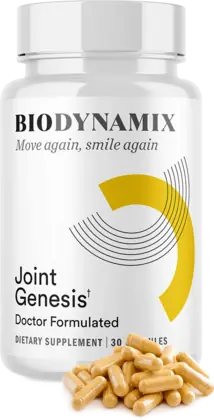
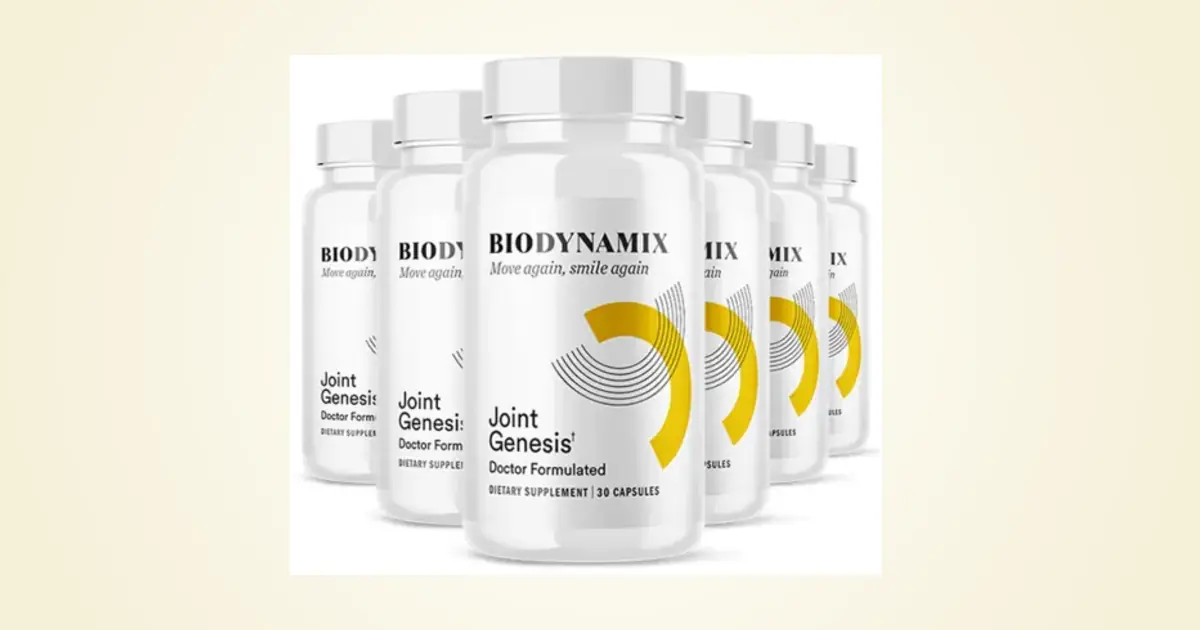
Joint Genesis
1 capsule a day · 180 days (empty bottle) guarantee
Read our full review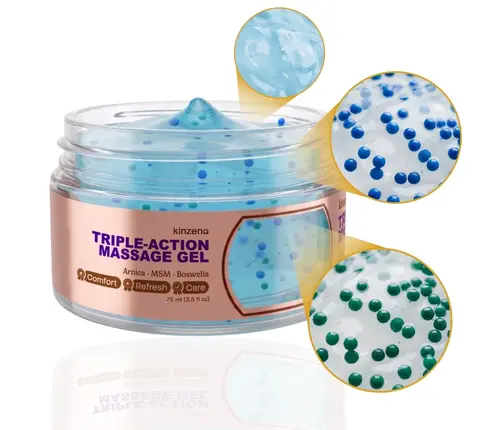
Kinzeno
Massage gel, 75 ml jar · 60 days (unused product) guarantee
Read our full reviewWhy Massage Helps Sore Spots
Massage warms up tissue, increases local blood flow and helps tight muscles relax. It also stimulates nerves in the skin that can reduce the perception of pain, the same reason rubbing a bumped elbow helps. Research reviewed by NCCIH suggests massage may help with back and neck pain and with general well-being.
Self-massage with a roller or massage ball lets you get some of these benefits at home, every day.
A roller also solves a practical problem: hands get tired, and many people over 50 have achy fingers or wrists themselves. A handheld roller spreads the pressure, reaches the shoulders and lower back more easily, and keeps gel off your fingers.
Topical vs Oral: How They Differ
It helps to know what a gel can and can't do compared with a pill.
| Topical gels and rubs | Oral joint supplements | |
|---|---|---|
| Where it works | Local, near the surface where you apply it | Throughout the body |
| How fast | Sensation within minutes; relief is usually short-lived | Gradual, often 8–12 weeks |
| Best for | Sore muscles, stiffness, achy hands and knees | Ongoing joint comfort and mobility support |
| Main downsides | Skin irritation, must reapply | Takes time, possible stomach upset or interactions |
Joints close to the skin, like knees, hands and elbows, are more reachable by topicals than deep joints like the hip.
Common Topical Ingredients Explained
Arnica. A mountain flower used in topical remedies for bruises and aches. A few studies suggest arnica gel may ease mild hand and knee aches about as well as some over-the-counter gels, though results vary. In one randomized study of adults with hand osteoarthritis, an arnica gel performed about as well as an ibuprofen gel over three weeks, and a Cochrane review of topical herbal products found the arnica evidence promising but limited. Don't use it on broken skin, and never take arnica by mouth, as it can be toxic when swallowed.
MSM (methylsulfonylmethane). A sulfur compound often taken by mouth for joints. Evidence for oral MSM is modest; evidence for topical MSM is limited.
Magnesium. Popular in “magnesium oils” and gels for muscle relaxation. It's unclear how much passes through the skin, but many people enjoy it as part of a massage routine.
Menthol and camphor. Create a cooling sensation that can temporarily distract from discomfort. Menthol activates the same cold-sensing nerve receptors that a cool breeze does, which is why the feeling is so immediate.
Salicylates and capsaicin. You'll also see methyl salicylate (wintergreen) and capsaicin (from chili peppers) in many rubs. Capsaicin has more research than most topicals, but it often stings or burns during the first week or two of regular use.
Botanicals like Boswellia, turmeric and ginger are well known in oral joint supplements (see our joint supplements guide); evidence for them on the skin is still early.
What About Magnets?
Some rollers include magnets. According to NCCIH, scientific evidence doesn't support static magnets for pain relief. If you like a product, it's most likely the massage and the gel that are helping.
Magnets aren't safe for everyone either: people with pacemakers, insulin pumps or other implanted devices should keep magnetic products away from them unless their doctor says otherwise.
Heat, Cold or a Cooling Gel?
Choosing the right temperature makes a real difference:
- Cold (an ice pack wrapped in a towel, 10–15 minutes) is generally recommended for a fresh strain or bump, especially in the first day or two when there's swelling.
- Heat (a warm shower, heating pad or warm towel) tends to feel best for stiffness and tight muscles that aren't swollen, such as a stiff back in the morning.
- Cooling gels give a cool sensation without actually chilling the tissue much. They're a comfort tool for everyday aches, not a replacement for ice after an injury.
Safety tip: never use a heating pad or tight bandage over a menthol, camphor or capsaicin rub. The FDA has received reports of skin burns when these products were combined with heat or used on irritated skin.
For sprains and strains, MedlinePlus has a clear guide to self-care and when to see a doctor.
How Kinzeno Combines Gel and Massage
Kinzeno is a cooling, non-greasy massage gel sold in a 75 ml jar. According to the brand, it combines magnesium, MSM, arnica, Boswellia (frankincense) and horse chestnut with B vitamins, and you massage a coin-sized amount into sore areas such as the shoulders, neck, lower back, knees and hands. Some listings describe a roller-ball applicator; check the seller's order page for what's included. Read our full Kinzeno review.
How to Use a Massage Gel Roller
- Clean and dry the area. Test on a small patch of skin first.
- Apply a small amount of gel.
- Roll slowly in circles and along the muscle for 2–5 minutes, with gentle to moderate pressure.
- Avoid bony areas, broken skin, varicose veins and swollen joints.
- Wash your hands afterwards and keep away from eyes.
- Use up to 2–3 times a day, or as directed.
The right pressure feels like a “good hurt” of 3 to 5 on a 10-point scale, never sharp pain. If you tense up or hold your breath, ease off.
Simple Self-Massage Routines by Area
Neck and shoulders (3 minutes). Sitting tall, roll along the top of each shoulder from the base of the neck outward. Avoid rolling directly over the front or sides of the neck and the spine itself. Finish with slow shoulder rolls.
Lower back (3 minutes). Standing, reach behind and roll on the muscles on either side of the spine, not on the bones. Follow with a gentle knee-to-chest stretch lying down.
Knees (2–3 minutes per knee). Roll the thigh muscles above the knee and the calf below it, then make light circles around, not on, the kneecap. Many knee aches are eased by relaxing the muscles that cross the joint.
Hands and wrists (2 minutes). Roll gently along the palm and forearm, then open and close your fists 10 times. This pairs well with morning stiffness.
Feet (2 minutes). Seated, roll along the arch from heel to toes. Avoid the top of the foot, where bones and tendons sit close to the skin.
How to Choose a Massage Gel or Roller
- Full ingredient list with the main actives clearly named. If it's sold as an over-the-counter pain reliever, it will have a “Drug Facts” box listing active ingredients and strengths.
- Your skin type. Sensitive skin often does better with fragrance-free formulas and lower menthol levels.
- Allergy check. Arnica belongs to the daisy family, so people allergic to ragweed, chamomile or marigold may react to it.
- Roller design. Smooth, rounded balls that roll freely, a comfortable grip and easy cleaning.
- Texture. Non-greasy gels absorb faster and won't stain clothes.
- Honest claims. Be skeptical of products promising to “repair” cartilage or end arthritis. A good topical eases everyday discomfort; it doesn't rebuild joints.
Who Should Be Careful
- People on blood thinners or who bruise easily: use light pressure only.
- People with diabetes or neuropathy: reduced feeling in the feet and legs makes it easier to press too hard or miss skin irritation.
- Anyone with a swollen, warm or painful calf: don't massage it. This can be a sign of a blood clot and needs prompt medical attention.
- People allergic to aspirin should check labels for salicylates.
- Pregnant or breastfeeding women should ask their doctor before using herbal or medicated rubs.
Common Mistakes to Avoid
- Pressing harder to “get it done faster.” Heavy pressure can bruise and leave muscles more sore the next day.
- Rolling over swollen or hot joints. Swelling and warmth call for rest, cold and possibly a doctor, not massage.
- Using too much gel. A thin layer is enough; more doesn't mean more relief and can irritate skin.
- Forgetting to wash your hands, then rubbing your eyes. Menthol stings.
- Relying on topicals alone while skipping the movement and strength work that helps joints most over time.
Pair It With Movement
Topicals work best as part of a routine: daily walking, gentle stretching and strengthening the muscles around your joints. Strong thigh muscles, for example, take pressure off the knees, and a short daily walk keeps joints moving and lubricated. Many people find a quick gel-and-roller session makes it easier to get moving in the morning or wind down at night. Read our guide on why joints feel stiff in the morning for an easy daily plan.
Frequently Asked Questions
Does arnica gel really work?
Can I use a massage gel every day?
Do magnetic rollers work better?
Should I use heat or cold on a sore joint?
How long should I use a massage roller?
Is arnica safe if I have allergies?
Can I use a massage gel before exercise?
Can I use a massage gel with joint supplements?
- NCCIH: Massage therapy, what you need to know
- NCCIH: Magnets for pain
- Widrig R. et al. Choosing between NSAID and arnica for topical treatment of hand osteoarthritis in a randomised, double-blind study. Rheumatol Int, 2007
- Cameron M, Chrubasik S. Topical herbal therapies for treating osteoarthritis. Cochrane Database Syst Rev, 2013
- MedlinePlus: Sprains and strains
- NCCIH: Boswellia